Chris Giamarino
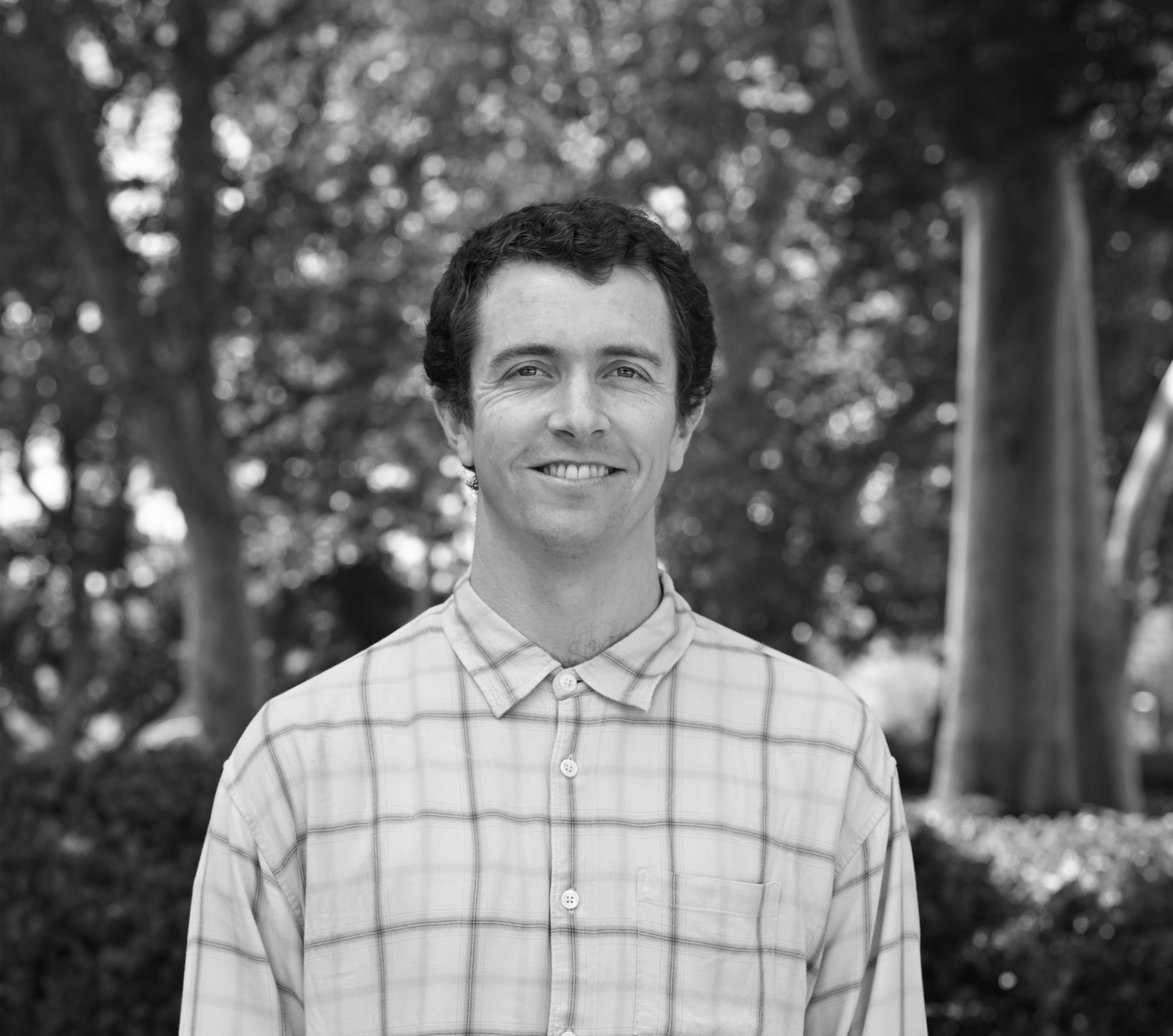
Chris Giamarino Headshot

Cal Poly Pomona

Chris Giamarino

Assistant Professor of Urban and Regional Planning

Chris Giamarino is an Assistant Professor of Urban and Regional Planning at Cal Poly Pomona and Director of the Pomona Spatial Justice Collaborative. His research connects social justice, urban design, skateboarding politics, and unhoused rights to the city, appearing in the Journal of the American Planning Association, Housing Policy Debate, Cities & Health, Leisure Studies, and The New York Times. A lifelong skateboarder and public space advocate, he collaborates with The Skatepark Project and Services not Sweeps coalition, exploring grassroots architectural interventions that challenge hostile designs and reimagine them through inclusive public space policies. He is working on his first book, City of Courts and Camps: Excavating Polluted Futures in Los Angeles, with Verso Books, which critiques neoliberal containment ahead of the 2028 Olympics, envisioning just public futures through the DIY urban design tactics of skateboarder and encampment communities in grey spaces across LA.

Public Scholarship

Op-Ed & Interactive Essay · The New York Times

Opinion | A Car is Not a Home

Giamarino, C. (2024, February 21). Opinion | A Car is Not a Home. The New York Times.

When Americans lose their housing, their cars are often the first place they turn. The federal government doesn’t collect data specifically on vehicular homelessness, but recent studies show that over 40 percent of unsheltered people in Los Angeles County live in their vehicles — cars, vans, campers and R.V.s. The cold reality: Finding a safe place to park is a challenge, made worse by a web of complicated ordinances that in much of the country make sleeping and living in your car illegal, with towing and expensive tickets a constant worry. The Los Angeles area is home to the nation’s largest population of “vehicle dwellers.” One nonprofit, Safe Parking L.A., has set up in parking lots across Los Angeles in response, allowing people to stay in their cars during the night when businesses are closed, providing amenities like restrooms, security guards and sometimes even financial services and opportunities to find shelters and housing.

Read on The New York Times ↗